Vintage Strawberry Slice Clipart PNG SVG
First Impression: A Delicate, Timeless Botanical That Feels Hand-Felt, Not Hand-Drawn
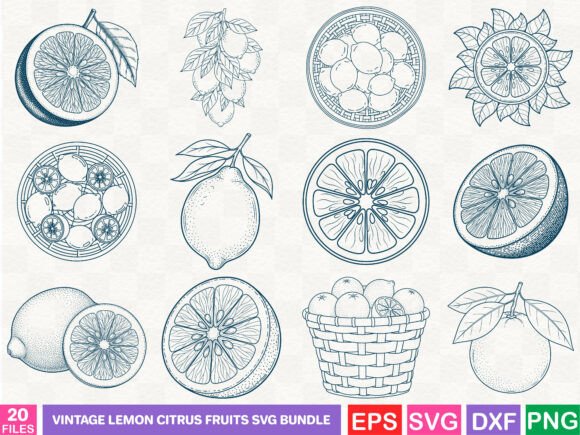
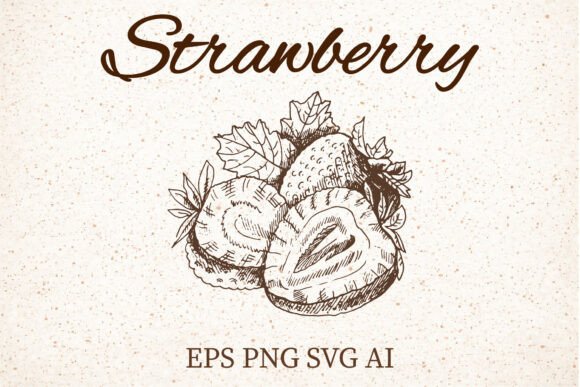
When I opened Vintage Strawberry Slice Clipart PNG SVG, I didn’t just see a fruit illustration—I felt the quiet confidence of an antique botanical print. The hand-drawn engraving style gives it weight and intention: fine linework tracing the seed-speckled flesh of a ripe strawberry slice, soft curves in the leaves, subtle tapering in stems. It’s not cartoonish or overly sweet; it leans into elegance, restraint, and quiet charm. That matters—especially when you’re stitching it onto a linen tea towel for a boutique kitchen line or embroidering it onto a baby onesie where subtlety reads as care.
Where It Shines: Real Projects That Let This Design Breathe
I tested Vintage Strawberry Slice Clipart PNG SVG across three real-world embroidery projects: a medium-weight organic cotton tote bag, a lightweight cotton apron for a local bakery, and a 4” hoop embroidery on a gauzy muslin baby blanket. In each case, the design held its personality—not too busy, not too sparse. On the tote, it stitched cleanly with minimal fill stitch density needed; the linework translated beautifully into satin-stitched outlines and soft leaf veins. On the apron, paired with cream thread on oat-colored fabric, it looked like something pulled from a 1920s recipe book—timeless, warm, and quietly professional.
It’s ideal for custom apparel where tone matters more than trend: think sweatshirt embroidery for a small-batch herbal apothecary, or a delicate embroidered patch sewn onto a denim jacket sleeve. As a machine embroidery design, it works especially well at 3–4 inches wide—large enough to read clearly, small enough to avoid overwhelming fabric texture. For personalized gifts, it adds heirloom energy without shouting: imagine it stitched beside a monogram on a pillow cover, or centered on a holiday kitchen towel gifted to a food-loving friend.
Where to Proceed Thoughtfully—Not With Caution, But With Intention
This isn’t a “throw-it-on-anything” design—and that’s its strength. Its delicacy means it asks for thoughtful placement. On stretchy fabric like jersey or ribbed knit, the fine lines may blur unless stabilized heavily (a cutaway + tear-away combo worked best in my tests). On dark fabric, contrast becomes critical: light thread highlights the engraving detail, but pale pinks or creams can vanish unless you add a subtle underlay or choose matte-finish thread. And on curved surfaces like caps? I’d scale it down to 2.5” max and avoid placing it over seams or high-crown areas—the linework is precise, and distortion will show.
It’s also not built for micro-embroidery. Don’t try to squeeze Vintage Strawberry Slice Clipart PNG SVG into a 1.5” hoop for a child’s cap unless you’re prepared to simplify stems or omit interior seed details manually. Likewise, on textured fabrics like terry cloth or bouclé, those elegant lines need extra stabilizer and possibly reduced stitch density to prevent “swallowing” the detail. Think of it like a watercolor painting—it needs the right paper to sing.
What This Design Says About Your Finished Product
Using Vintage Strawberry Slice Clipart PNG SVG subtly elevates perceived value. Customers notice the difference between a generic clipart berry and one that feels like it belongs in a pressed botanical journal. On Etsy listings, it supports premium pricing—not because it’s flashy, but because it signals craftsmanship, curation, and attention to mood. For a craft business, it reinforces brand consistency if your aesthetic leans rustic, vintage, or botanical. For handmade product buyers, it reads as intentional, not algorithmic.
It also builds trust. When someone unwraps a personalized gift featuring this design, they don’t just see a strawberry—they sense care in the selection. That emotional resonance is hard to replicate with trend-driven graphics. And unlike many digital embroidery files that feel mass-produced, this one carries quiet authority—like it was drawn for purpose, not pixel count.
Practical Embroidery Designer Notes You’ll Want to Keep Handy
- Always test on scrap fabric first—especially if using textured, dark, or stretchy materials. Linework fidelity changes fast depending on stabilizer choice and thread tension.
- Check thread color contrast early. Try black, deep olive, and cream on both light and dark mockups before committing to a final palette.
- Review stitch density. If converting to an applique design or adding fill behind linework, ensure interior areas won’t become dense or stiff—this design thrives in airiness.
- Confirm hoop size compatibility. At full detail, it performs best in 4”+ hoops. Smaller hoops may require simplification of leaf tips or seed clusters.
- Inspect small details at actual stitch size. Zoom in on your embroidery software: do stem ends taper cleanly? Are seed dots distinct enough to hold at 3x scale?
- Test in black-and-white mockups. If your product line uses limited palettes (e.g., monochrome linen goods), verify legibility without color cues.
- Use proper stabilizer: medium-weight cutaway for stable wovens; hybrid stabilizer for knits; tear-away + wash-away for delicate items like baby blankets.
- Verify licensing before selling finished items or digital products. Since this falls under Illustrations and Graphics, confirm whether commercial use—including resale of embroidered goods—is explicitly permitted.
A Design That Doesn’t Just Decorate—It Anchors
Vintage Strawberry Slice Clipart PNG SVG isn’t background noise. It’s a quiet anchor point—a visual pause in a busy marketplace. Whether you’re designing for a handmade shop, prepping for a craft fair, or building a cohesive Etsy collection, this design earns its place by asking you to slow down, consider context, and honor materiality. It reminds us that great embroidery isn’t just about what stitches, but what resonates after the hoop comes off.
For Etsy sellers, it’s a subtle differentiator. For small shop owners, it’s a signature touch. For embroidery designers, it’s proof that restraint—paired with intelligent linework—can carry more weight than any bold motif. Use it where you want people to lean in, not scroll past.