Ribbon Banner SVG Bundle
First Impressions: A Cheerful, Flexible Shape That Feels Like Handmade Joy
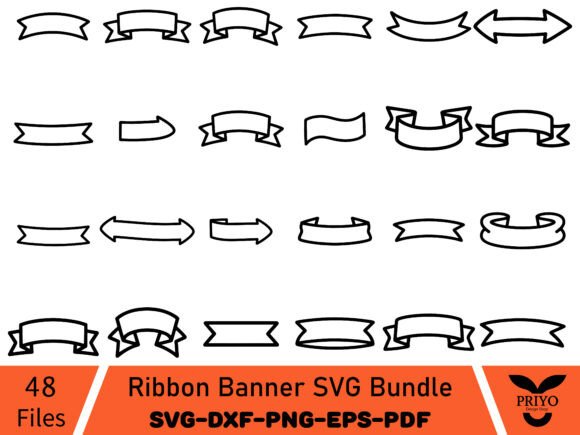
Opening the Ribbon Banner SVG Bundle feels like unrolling a little celebration—clean lines, gentle curves, and that classic banner silhouette with soft ribbon ends. It’s not overly ornate, but it’s not minimalist either. There’s warmth in the proportions: wide enough to hold readable text without crowding, narrow enough to sit neatly on a baby onesie or a coffee mug sleeve. As an embroidery designer who’s stitched hundreds of banners for boutique clients and Etsy shops, I immediately notice how this one avoids the common pitfalls—no fragile loops, no microscopic serifs, no awkward negative space that turns into thread nests. It reads as friendly, approachable, and intentionally crafted—not just a vector shape copied from a stock library.
Where It Shines: Real Projects That Feel Thoughtfully Embroidered
I recently used the Ribbon Banner SVG Bundle to create a set of personalized linen tea towels for a local kitchenware shop. We stitched it across the bottom corner in navy thread on oat-colored fabric—simple, legible, quietly elegant. Customers responded instantly: “It looks custom, not generic.” That’s the quiet strength of this design. It works beautifully as a machine embroidery design on sweatshirt cuffs, tote bag flaps, and apron pockets—places where you want recognition without shouting. For baby embroidery, it frames names or birth dates with tenderness; on embroidered patches, it holds logos cleanly without overwhelming the shape. Holiday embroidery? Try it on felt stockings or pillow covers—stitched in metallic gold or red, it reads festive but never kitschy. And for small shop product branding, it slots neatly beneath a shop name on tags, packaging, or even printable mockups for social media previews.
What Happens When You Actually Stitch It
In real-world use, the Ribbon Banner SVG Bundle handles fabric texture and movement with surprising grace. On medium-weight cotton twill (think tote bags or workwear aprons), the curves stay smooth under satin stitch, and the fill areas remain breathable—not dense or stiff. On slightly stretchy French terry for kids’ sweatshirts, it held its shape with light tear-away stabilizer and a single layer of cutaway underneath. No puckering. No distortion. That tells me the underlying embroidery file was digitized with fabric behavior in mind—not just screen aesthetics. As an applique design, it also works: the outer edge gives clean definition for raw-edge or fused appliqué, and the interior space leaves room for creative fill stitch variations—crosshatch, stipple, or even a subtle gradient thread blend.
Where to Pause—and Why
This isn’t a one-size-fits-all banner. On very thin fabrics like lightweight rayon or silk charmeuse, the outer satin border may need slight reduction or a switch to running stitch for stability. On dark fabric, avoid light thread unless you’re pairing it with high-contrast underlay—it can look washed out in final stitching. And if you’re planning to stitch it on curved surfaces—like the front panel of a structured cap—test first: the banner’s width and gentle taper mean it adapts well, but tight curves near the ribbon ends may need manual digitizing tweaks. Also, while the lettering space is generous, don’t cram more than 3–4 short words in standard fonts—tiny lettering within the banner will lose clarity at smaller hoop sizes or on textured knits.
Design Integrity Meets Customer Trust
Here’s what matters when you’re selling handmade products: customers don’t just buy a banner—they buy confidence. Confidence that it won’t snag in the wash, that the corners won’t fray after three launderings, that it’ll look as intentional on Instagram as it does in person. The Ribbon Banner SVG Bundle supports that trust. Its balanced stitch density avoids overloading delicate fabrics, and its open interior space invites thoughtful thread color choices—no forced contrast, no visual fatigue. For Etsy sellers and craft fair vendors, that translates directly to fewer returns, more repeat buyers, and better photo reviews. It also plays well with brand consistency: whether you’re using it for nursery decor, wedding gifts, or small business merchandise, it doesn’t impose a style—it elevates yours.
Practical Notes Every Embroidery Designer Should Keep Handy
- Always test first—run a sample on scrap fabric matching your final project’s weight and stretch.
- Check thread color contrast on both light and dark backgrounds before committing to production.
- Review stitch density in your embroidery software—look for any unusually tight clusters near ribbon tips or corners.
- Confirm hoop size compatibility: this design scales well, but verify minimum dimensions if working with small hoops (under 4”).
- Inspect small details in black-and-white mockups—what reads clearly on screen may blur when stitched.
- Use proper stabilizer: medium-weight cutaway for knits, tear-away for stable wovens, and consider topping for napped fabrics like terry cloth.
- Verify licensing before selling finished items or bundling the Ribbon Banner SVG Bundle into digital product offerings—especially for commercial embroidery or resale as part of a craft business kit.
A Design That Fits—Not Just a File That Loads
The Ribbon Banner SVG Bundle belongs in the “quietly essential” category of design assets: not flashy, not trend-dependent, but deeply functional. It doesn’t try to be everything—it’s a banner, done well. As an illustration, it bridges print and stitch effortlessly. As a graphic, it respects the limits and possibilities of thread, fabric, and human hands. Whether you’re prepping a holiday embroidery batch for your Etsy shop, building a cohesive line of personalized gifts, or designing a signature patch for your small shop product, this bundle earns its place in your active folder—not archived, not overthought, just ready to make something feel thoughtfully made.