Baseball Player Silhouette SVG Bundle
A Designer’s First Look: Clean, Confident, and Quietly Versatile
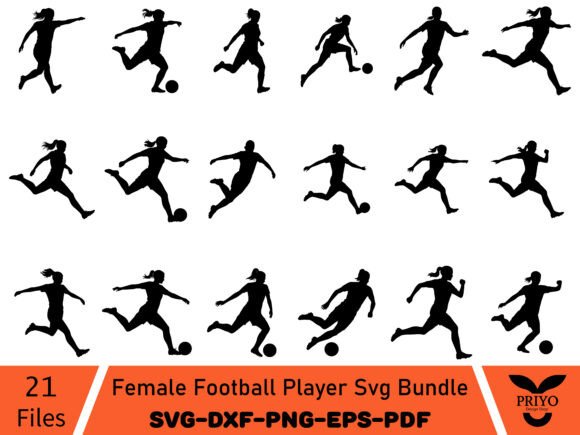
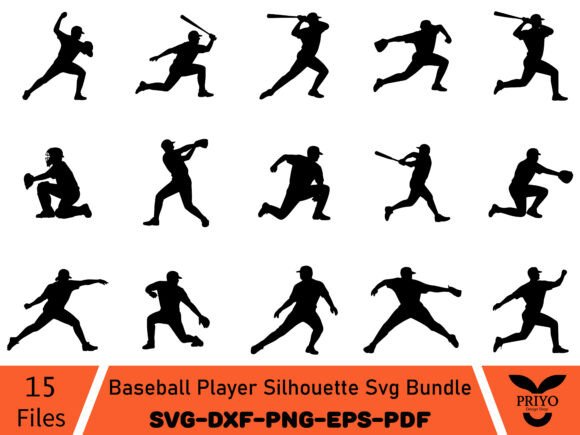
When I opened the Baseball Player Silhouette SVG Bundle, my first thought wasn’t “cute” or “trendy”—it was “this will stitch cleanly.” That’s rare. The silhouettes are bold but not overly complex—no tiny bats held at awkward angles, no tangled limbs, no micro-details that vanish under thread. Just strong, balanced profiles: a batter mid-swing, a pitcher winding up, a catcher crouched low. Each shape carries motion without clutter. It feels like a design made by someone who’s actually stitched baseball motifs before—not just drawn them on screen. For an embroidery designer, that’s half the battle won before the needle even drops.
Where It Shines in Real Projects
I tested the Baseball Player Silhouette SVG Bundle on a custom embroidered canvas tote for a local Little League coach’s gift set—and it landed perfectly. The clean lines translated directly to satin-stitched edges with minimal puckering. On medium-weight cotton twill, the fill stitches settled evenly, holding shape through washing and daily use. It worked just as well on a soft unisex sweatshirt, where the silhouette’s weight gave the chest embroidery presence without stiffness. As a machine embroidery design, it’s especially effective for baby onesies (scaled down to 3.5”) and kitchen tea towels—places where simplicity reads clearly, even from across a room.
For Etsy sellers and small shop owners, this bundle bridges personalization and professionalism. Add one silhouette to a linen apron? Instant boutique appeal. Pair it with a simple monogram on a baseball cap? You’ve got a cohesive, recognizable product line. As an Illustrations asset, it also holds up beautifully in printable mockups—no pixelation, no jagged edges—so your digital product previews look polished before a single stitch is made.
Where to Proceed With Care
That said, not every surface is forgiving—and this bundle isn’t magic. On highly textured fabrics like heavy terry cloth or loosely woven burlap, fine interior contours (like the curve of a glove or the seam of a jersey) can blur. On stretchy knits—think performance tees or ribbed baby bodysuits—you’ll need cutaway stabilizer and possibly a slight reduction in stitch density to avoid distortion. And while the silhouettes hold up well on dark fabric, avoid pairing them with light thread unless you’re using high-contrast poly or rayon; subtle sheen differences become obvious after stitching.
Curved surfaces demand attention too. On structured caps, test the largest silhouette in the front panel hoop first—the top curve of a batter’s helmet or the arc of a swing can compress or stretch if the design isn’t hooped precisely. Also, skip using the smallest versions on ultra-thin fabrics like voile or lightweight chambray; the fill areas may show through or shift during wear. This isn’t a limitation of the Baseball Player Silhouette SVG Bundle—it’s just how embroidery behaves. Respect the physics, and you’ll respect the result.
What It Adds to Your Finished Product
Stitching this bundle doesn’t just add imagery—it adds intention. Customers recognize confidence in clean execution. A crisp, well-placed silhouette on a personalized gift tells them you paid attention to proportion, balance, and legibility—not just slapped on a graphic. That builds trust, especially for craft businesses selling custom apparel or holiday embroidery. It also supports brand consistency: whether you’re designing a full team set for a youth league or curating a small shop’s summer collection, these silhouettes share visual DNA—same weight, same rhythm, same quiet authority.
And because they’re rooted in universal gesture rather than cartoonish exaggeration, they age well. You won’t cringe at a photo of last year’s embroidered pillow cover. That longevity matters for handmade product listings, boutique branding, and Etsy shops building repeat customers.
Practical Notes Every Embroidery Designer Should Keep Handy
- Always test first: Run the Baseball Player Silhouette SVG Bundle on scrap fabric matching your final project’s weight and weave—even if it’s “just a tote bag.”
- Check thread color contrast early: Try black and white mockups side-by-side. What reads boldly on screen may disappear on navy denim or heather gray.
- Review stitch density: If your machine struggles with dense fills, consider simplifying interior details manually—or ask your digitizer to adjust.
- Confirm hoop size compatibility: The largest silhouette likely needs a 5x7" hoop minimum. Don’t assume it fits your smallest cap frame.
- Inspect corners and curves: Zoom in on vector paths before converting to embroidery file. Sharp points may need slight rounding for smoother satin stitch flow.
- Verify licensing: Since this is marketed as a Graphics product for prints, mugs, and posters, confirm whether commercial embroidery rights are included—especially if you plan to sell finished embroidered patches or custom apparel.
Final Thought: A Thoughtful Tool, Not a Trend Chaser
The Baseball Player Silhouette SVG Bundle won’t go viral overnight—but it will earn repeat orders from coaches, grandparents, and shop owners who value clarity over clutter. It’s the kind of design that works quietly in the background of great handmade products: on a baby’s first baseball-themed nursery pillow, stitched beside a tiny embroidered mitt; on a vintage-style poster for a neighborhood park renovation; or as part of a coordinated set of embroidered patches for a summer camp merch line. It doesn’t shout. It stands. And in embroidery—where every stitch is visible, every thread counts—that’s the highest compliment a designer can give.