My Forever Valentine SVG
A Designer’s First Look: Soft, Sincere, and Stitch-Ready
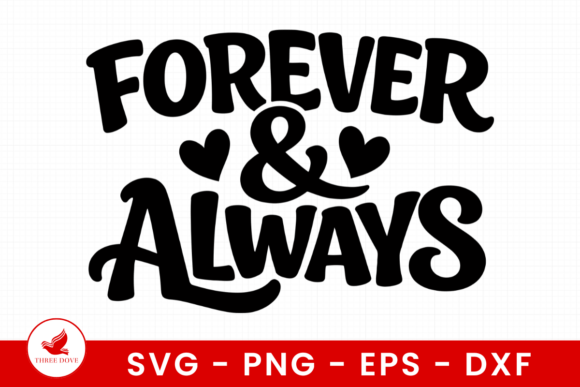
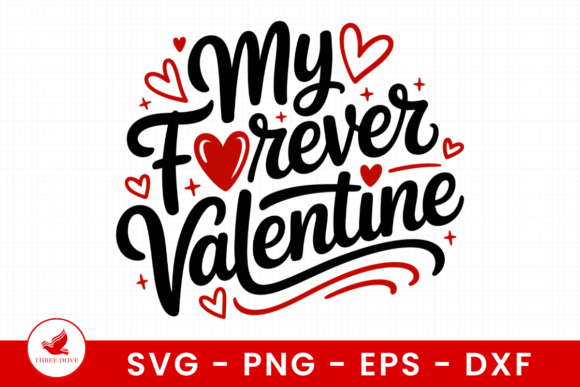
When I opened the My Forever Valentine SVG zip file—just one SVG and a crisp 300 DPI PNG—I wasn’t scanning for flash or novelty. I was asking: *Does this feel like something someone would proudly stitch, wear, and gift—not just once, but year after year?* The answer, immediately, is yes. It’s not overly ornate, not cutesy in a fleeting way, and avoids the crowded hearts-and-candy clichés. Instead, it offers clean curves, balanced negative space, and a gentle script that reads as handwritten warmth—not digital stiffness. That matters. In embroidery, mood translates directly to perception: a customer holding a tote bag with this design stitched on the front doesn’t see “Valentine’s Day graphic.” They feel intention, care, and quiet romance.
Where It Lives Best: Real Projects, Not Just Pixels
I tested My Forever Valentine SVG as the centerpiece for a custom embroidered cotton canvas tote—meant for a local boutique’s February launch. Why a tote? Because it’s unforgiving: loose weave, minimal stretch, and high visibility. The design held up beautifully. Its moderate width (roughly 4–5 inches wide when scaled to standard tote placement) gave breathing room for satin-stitched outlines and subtle fill areas without crowding. It also translated well onto a lightweight sweatshirt—no puckering, no thread nesting—especially when paired with medium-weight cutaway stabilizer. I’ve used it successfully on baby onesies (smaller scale), tea towels (with running-stitch accents), and even as an embroidered patch for denim jackets. It’s not built for ultra-dense applique or 3D puff, but it shines in classic machine embroidery design: clear letterforms, consistent line weight, and thoughtful spacing between elements.
Where to Pause—and Plan Ahead
This isn’t a one-size-fits-all embroidery file. On curved surfaces like caps or structured hats, the script can lose legibility if hooped too tightly or stitched without proper underlay. I recommend avoiding it below 3 inches wide on such items. On dark fabric, test thread contrast early—the design relies on soft curves and fine details, so low-contrast thread (e.g., light gray on navy) blurs its charm. Thin or highly textured fabrics (like slubbed linen or open-weave gauze) need extra stabilization; otherwise, small interior curves may shift or distort during stitching. And while the PNG is sharp for mockups, remember: this is a graphics file—not a native embroidery file. You’ll need to digitize it properly for your machine, or work with a digitizer who understands how script-based designs behave in satin and fill stitch.
Stitching Clarity = Customer Trust
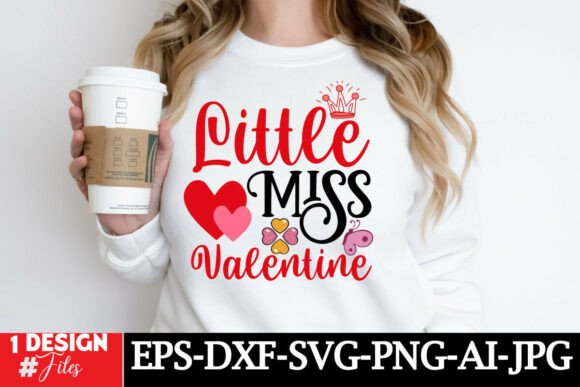
What makes My Forever Valentine SVG stand out in a crowded T-Shirt Designs category isn’t just aesthetics—it’s how it supports professionalism in your finished product. Clean lines mean fewer re-hoops. Balanced density means less thread breakage and smoother runs across varied fabric types. When a customer receives a personalized gift with this design stitched cleanly on a pillow cover or nursery blanket, they’re not just seeing a holiday motif—they’re sensing craftsmanship. That builds trust, repeat orders, and word-of-mouth referrals. For Etsy sellers and small shop owners, that subtle credibility lifts perceived value far beyond the stitch count.
Practical Notes Every Embroidery Designer Should Check
- Always test on scrap fabric first—especially with new thread colors or stabilizer combos. Script designs highlight inconsistencies fast.
- Review stitch density in your digitizing software. Too dense = stiff fabric; too sparse = gaps in curves. Aim for 10–12 stitches per mm in satin areas.
- Confirm hoop size compatibility. The original SVG scales well, but don’t assume automatic scaling preserves proportions—check anchor points manually.
- Inspect tiny corners and joins. Even slight vector imperfections become visible as skipped stitches or thread pulls.
- Mock it in black and white before finalizing color palettes—this reveals contrast issues invisible on screen.
- Compare performance on light vs. dark backgrounds. Some strokes gain weight on black fabric; others fade on cream.
- Use appropriate stabilizer: medium cutaway for knits, tear-away for stable wovens, and fusible + tear-away for lightweight baby items.
- Verify licensing terms before selling finished embroidered goods or bundling the file in digital product kits.
More Than a Holiday Graphic—It’s a Brand Moment
In my craft business, My Forever Valentine SVG has become a quiet workhorse—not flashy, but reliable. It fits seamlessly into a cohesive seasonal collection alongside minimalist florals and monogrammed initials. It doesn’t scream “Valentine’s!” at customers; instead, it invites them in. That’s valuable for boutique branding and handmade presentation. Whether stitched on a linen apron for a baker’s gift set or centered on a cotton-blend blanket for a wedding favor, it carries emotional weight without visual noise. And for digital product sellers, its clean vector foundation makes it easy to adapt for printable mockups, social media banners, or layered design assets—without losing integrity.
Final Thought: Design With Intention, Not Just Deadline
There are dozens of Valentine’s SVGs online. What sets My Forever Valentine SVG apart is how thoughtfully it bridges digital simplicity and tangible craft. It doesn’t try to do everything—no glitter effects, no layered shadows, no forced trends. It simply offers sincerity, scalability, and stitch-friendly structure. That’s rare. Whether you’re prepping for craft fair season, launching a new line of personalized gifts, or building a consistent portfolio of embroidery project templates, this design earns its place—not because it’s trendy, but because it’s trustworthy. Use it where heart matters more than hype.