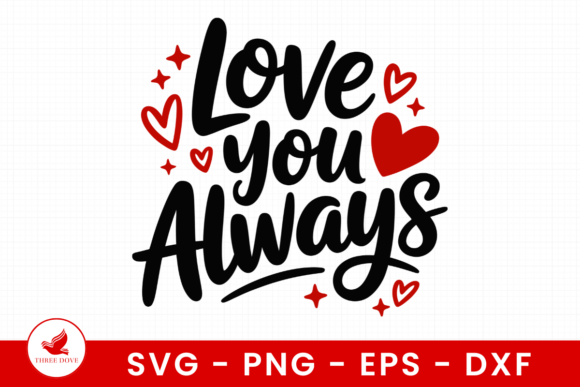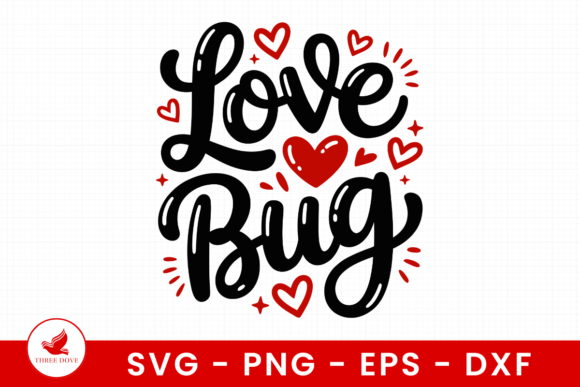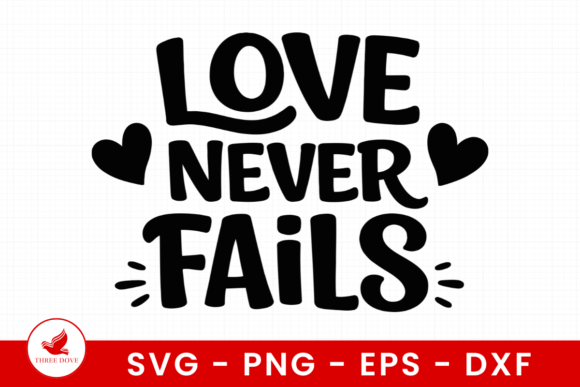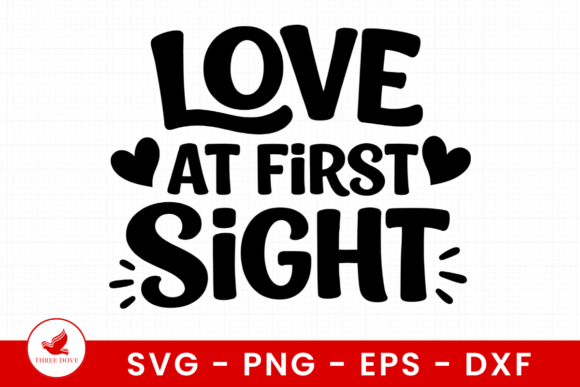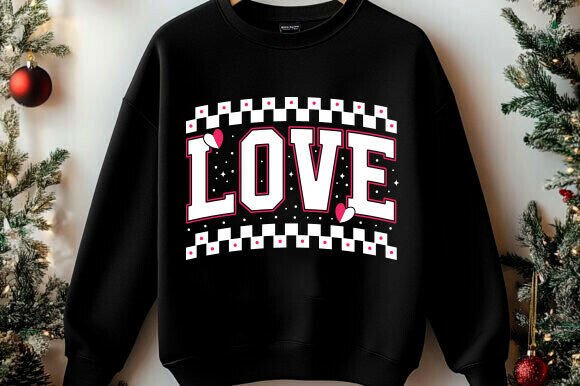
Love SVG PNG, Love Shirt SVG
First Impressions: Simple, Sweet, and Ready for Stitching
When I opened Love SVG PNG, Love Shirt SVG, I didn’t see flashy effects or over-engineered flourishes—just clean lines, balanced proportions, and a quiet confidence in its simplicity. It’s the kind of design that feels instantly familiar but still holds its own: soft curves, open negative space, and a gentle rhythm between letterforms and heart motif. As an embroidery designer who’s stitched hundreds of “love”-themed pieces—from baby onesies to boutique aprons—I immediately recognized its versatility. It doesn’t shout. It invites. That matters more than you’d think when translating pixels to thread.
A Real Project Test: Embroidering a Linen Kitchen Towel
Last week, I used Love SVG PNG, Love Shirt SVG on a natural linen tea towel for a small-batch holiday gift set. Why linen? Because it’s unforgiving—loose weave, minimal stretch, and zero tolerance for sloppy stitch placement or excessive density. I ran the SVG through my digitizing software (with minor tweaks to reduce fill stitch overlap), hooped medium-weight cutaway stabilizer, and chose matte cotton thread in warm terracotta and cream. The result? Crisp edges, breathable satin-stitched outlines, and just enough texture to feel handmade—not machine-made. Customers commented on how “softly intentional” it looked. That’s the goal: a design that supports the product, not competes with it.
Where This Design Shines—and Where It Needs Thought
Love SVG PNG, Love Shirt SVG works beautifully across several embroidery contexts:
- Custom apparel: Clean on crewneck sweatshirts, especially over left-chest placement—no distortion on knit fabric when stabilized properly.
- Baby embroidery: Gentle scale and rounded forms suit onesies and burp cloths without overwhelming delicate fabrics.
- Embroidered patch: Its defined outer edge and moderate detail translate well to sew-on or iron-on patches—no tiny interior gaps that vanish under backing.
- Tote bag design: Holds presence at 3–4 inches wide, even on textured canvas or heavy cotton duck.
- Holiday embroidery & personalized gifts: Feels timeless—not trendy—so it reads well on ornaments, pillow covers, or wedding guest towels.
But here’s where attention matters:
- Small hoop sizes: At under 2.5 inches wide, fine details like inner heart contours may compress. Always test at your smallest intended hoop size.
- Stretchy fabric: On performance tees or ribbed knits, use tear-away + light cutaway stabilizer combo—this design’s open areas can shift if tension isn’t controlled.
- Dark fabric: The PNG’s transparent background helps, but preview your thread colors against black or navy in a printable mockup first—some reds or pinks lose warmth on deep backgrounds.
- Curved surfaces (caps, curved pockets): Avoid placing the full design across a crown seam. Break it into two elements—or resize slightly to follow the curve naturally.
Design Integrity in Action
What makes Love SVG PNG, Love Shirt SVG stand out isn’t novelty—it’s executional honesty. It doesn’t pretend to be an applique design, nor does it overload with decorative stitches. It’s a graphics-first asset: built for clarity, not complexity. That translates directly to customer trust. When someone orders a custom embroidered tote from your Etsy shop and receives something that looks exactly like your mockup—clean, legible, thoughtfully scaled—they don’t just see a product. They see professionalism.
I’ve seen too many “love” designs fail because they’re overly dense, pixelated at small sizes, or rely on thin fonts that vanish after stitching. This one avoids those pitfalls. Its weight distribution feels intentional—not auto-traced. That shows in the finished product: no puckering, no thread nesting, no need for re-hooping mid-run.
Practical Notes Every Embroidery Designer Should Check
Before cutting fabric or listing on your shop:
- Test on scrap fabric first—especially if using textured, dark, or stretchy materials.
- Review stitch density in your embroidery software. If the original file lacks digitized instructions, assume it’s a vector graphic—not a ready-to-stitch machine embroidery design.
- Confirm hoop size compatibility. The EPS and SVG files give you full editing control—but only if you know your machine’s max dimensions.
- Inspect small corners and joins in the vector paths. A stray anchor point can cause jagged satin stitch transitions.
- Try black-and-white mockups to assess contrast and readability before committing to thread colors.
- Use proper stabilizer—this design’s balance means it’ll show every bit of fabric movement without support.
- Verify licensing before selling finished items or reselling digital files. The listing says “Unique design”—but commercial rights aren’t implied unless explicitly stated.
Final Thought: A Quiet Workhorse for Real Makers
Love SVG PNG, Love Shirt SVG won’t win awards for shock value—but it’s the kind of design that earns repeat customers, fills craft fair baskets, and sits comfortably in a curated boutique lineup. It respects the material it’s stitched on. It honors the time your hands (or your machine) invest. And for Etsy sellers and small shop owners building a recognizable aesthetic? It’s a reliable note in your visual vocabulary—not a one-off gimmick. Whether you're stitching baby embroidery for a newborn announcement or prepping a batch of holiday sweatshirt embroidery, this is the kind of T-Shirt Designs asset that quietly lifts the whole project. Just remember: great embroidery starts with smart file choices—and ends with thoughtful execution.