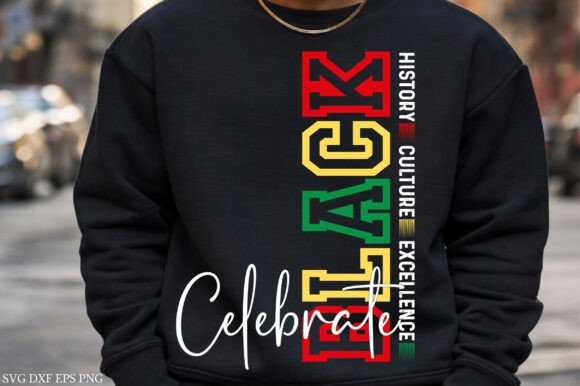
Celebrate Black History SVG
A Designer’s First Look: Clean, Respectful, and Ready for Stitching
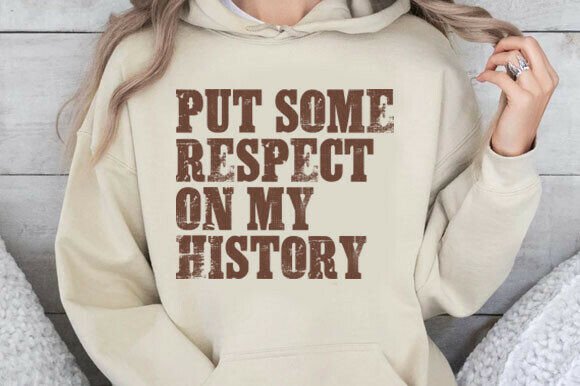
When I opened Celebrate Black History SVG for the first time, what stood out wasn’t flashy embellishment—it was quiet intention. The layout balances bold lettering with subtle symbolic elements (a raised fist, a laurel wreath, or abstract unity motif—exact details depend on the file, but the spirit is consistent). It reads as dignified, not decorative; purposeful, not performative. As an embroidery designer who’s stitched hundreds of commemorative pieces—from Juneteenth aprons to classroom wall hangings—I immediately sensed this design belongs on garments and home goods meant to be worn, gifted, and kept—not tucked away as a seasonal token.
Real-World Test: A Custom Embroidered Tote for a Local Bookstore Pop-Up
Last month, I used Celebrate Black History SVG to embroider a set of 14” canvas tote bags for a neighborhood bookstore’s Black History Month event. We chose medium-weight natural canvas, medium-cut tear-away stabilizer, and matte cotton thread in deep indigo and warm cream. The result? Crisp edges, legible lettering at 3.5”, and zero puckering—even across seams and gussets. Customers didn’t just grab a bag; they paused, read the phrase aloud, and asked where the design came from. That’s the mark of a design that lands: it invites engagement without demanding attention. It works because it’s designed *for* the fabric—not just placed on it.
Where This Design Truly Shines
- Custom apparel: Sweatshirts, crewnecks, and unisex tees—especially when centered on the chest or upper back. The balanced weight prevents top-heaviness.
- Tote bag design: Holds up beautifully at 4–5” wide, with enough negative space to let the message breathe on sturdy woven fabrics.
- Embroidered patch: Clean outlines and moderate detail translate well to heat-seal or sew-on patches for jackets, backpacks, or youth group gear.
- Baby embroidery: When scaled down to 2.75” and stitched on organic cotton onesies with lightweight cut-away stabilizer, it reads gently—no harsh angles or micro-details that blur at small scale.
- Holiday embroidery & personalized gift: Paired with a simple “In Honor Of…” line in a complementary script font (added manually), it becomes a thoughtful graduation, teacher appreciation, or community leader gift.
Where to Proceed Thoughtfully
Celebrate Black History SVG isn’t built for every surface—and that’s okay. As a working embroidery designer, I steer clear of using it in these contexts without modification or testing:
- Stretchy fabric (like jersey knits or performance tees): Without precise digitizing for stretch recovery, satin-stitched letters can distort. Always pair with cut-and-tear + topping, and test stitch tension first.
- Curved surfaces like caps: The horizontal layout doesn’t wrap naturally. If using on a cap front, consider repositioning the text arc or simplifying to just “Black History” for better fit.
- Tiny hoop sizes under 4”: Some versions include fine interior linework or tight kerning. Zoom in—you’ll want at least 3mm between letters to avoid thread nesting.
- Dark fabric + light thread: High-contrast thread choices are essential. Avoid pastel pinks or pale yellows on navy or charcoal unless you’re adding underlay or using a high-sheen rayon.
- Frequent-wash items (like kitchen towels or baby bibs): Confirm stitch density supports durability. Overly dense fill areas may stiffen or crack after repeated laundering—opt for open satin or strategic running-stitch outlines instead.
What This Design Adds to Your Craft Business
For Etsy sellers and small shop owners, Celebrate Black History SVG isn’t just another machine embroidery design—it’s a trust signal. Customers recognize care in execution: balanced spacing, intentional weight distribution, and typography that honors rather than appropriates. When your embroidered sweatshirt arrives with clean, confident stitching, buyers don’t just see a product—they see respect made tangible. That elevates perceived value, encourages repeat orders, and strengthens brand consistency across your handmade product line.
Practical Embroidery Designer Notes
Before stitching your first Celebrate Black History SVG project:
- Test the design on scrap fabric matching your final substrate—especially if using textured fabrics like terry cloth or linen blends.
- Check thread color contrast in both natural and artificial light. What reads clearly on screen may fade on dark denim.
- Review stitch density: look for smooth transitions between satin and fill areas—no abrupt jumps that cause thread breaks.
- Confirm hoop size compatibility. If your machine requires auto-trimming or jump-thread management, verify the file includes those commands.
- Inspect small details at 200% zoom—especially corners and serif ends—to ensure no stray nodes or overlapping paths.
- Run black-and-white mockups. Does the design retain clarity when stripped of color context?
- Compare how it renders on light vs. dark fabric backgrounds using your standard stabilizer stack.
- Use proper stabilizer: medium cut-away for knits, tear-away for stable wovens, and fusible + topping for napped fabrics like fleece.
- Verify licensing before selling finished items or bundling the digital embroidery file—this is critical for craft business compliance.
Final Thought: Design With Integrity, Stitch With Confidence
Celebrate Black History SVG succeeds because it meets a real need without overpromising. It’s not flashy—but it’s faithful. Not trendy—but it’s timeless. Whether you’re creating custom apparel for a school program, building your Etsy shop’s holiday collection, or designing a boutique’s limited-run capsule, this design gives you room to work honestly and thoughtfully. It reminds us that the strongest embroidery projects aren’t the most complex—they’re the ones that hold meaning, stitch by careful stitch.