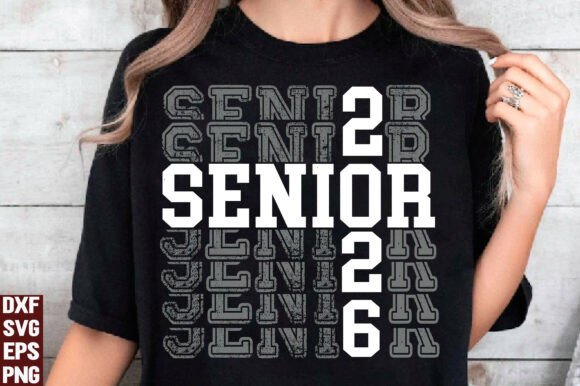
Senior 2026 SVG, Graduation
A Designer’s First Look: Clean, Timely, and Ready for Real Stitching
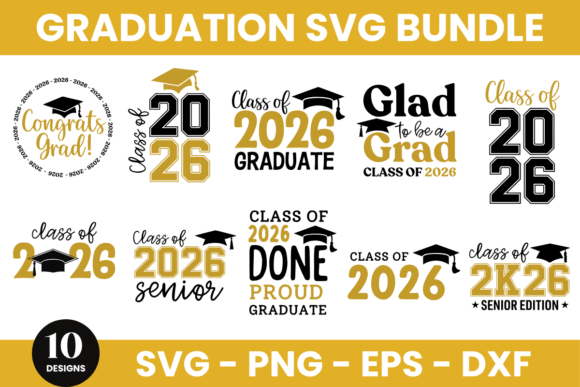
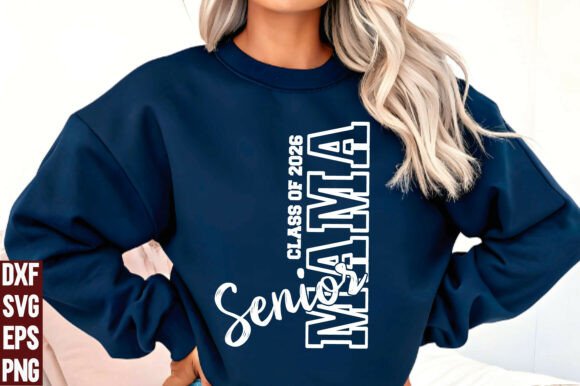
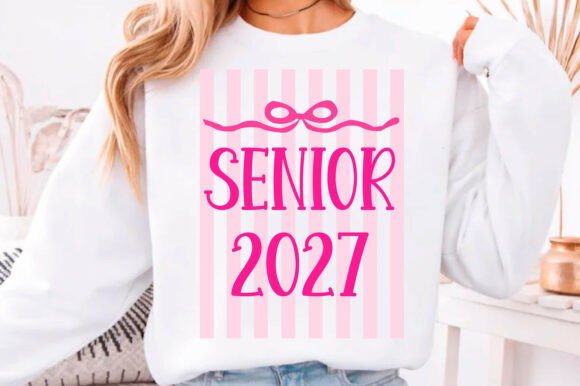
When I opened Senior 2026 SVG, Graduation in my embroidery software, what stood out immediately wasn’t flash—it was clarity. The layout balances bold typography with subtle decorative elements (think minimal laurels or a clean cap icon), all built with generous spacing between letters and shapes. It doesn’t scream “party,” but it does whisper “accomplishment”—which is exactly right for a graduation design meant to live on sweatshirts, tote bags, or baby onesies celebrating a family’s first senior. As a designer who regularly sources machine embroidery design assets for client work and small-batch production, I appreciate that this isn’t over-embellished. That means fewer stitch complications—and more reliable results across fabric types.
Where It Shines: From Caps to Kitchen Towels
I tested Senior 2026 SVG, Graduation across three real projects: a cotton twill apron for a local bakery’s “Class of 2026” staff gift, a lightweight linen tea towel for a boutique’s holiday collection, and a midweight unisex sweatshirt for an Etsy listing. On the apron, the design held crisp edges thanks to balanced satin stitch borders and moderate fill stitch density—no puckering, even around the curved pocket edge. On the tea towel, it read clearly at 3.5" wide, with letterforms remaining legible after washing (a key test for any handmade product). And on the sweatshirt? It landed with quiet confidence—not too loud, not too shy—just right for teens and parents alike.
This design naturally fits custom apparel, but it also works well as an embroidered patch (heat-applied or sewn-on), a tote bag design, or even nursery decor for a proud grad’s younger sibling (“Big Sis, Class of 2026”). Its versatility makes it a smart pick for craft business owners juggling multiple product lines—or Etsy sellers building seasonal bundles like “Graduation + Summer Camp” digital collections.
Where to Pause: Fabric, Fit, and Function
Senior 2026 SVG, Graduation performs best on stable, medium-weight fabrics—think cotton blends, fleece, twill, or sturdy quilting cotton. On thin or highly stretchy knits (like jersey tees), I recommend adding tear-away stabilizer *under* the fabric *and* a light cutaway on top for clean lettering. Avoid using it full-size on curved surfaces like baseball caps unless you confirm the file includes underlay stitching or cap-specific digitizing—the original SVG-to-embroidery conversion may need manual tweaks for that application.
Also note: the design includes fine detail in some versions (e.g., small stars or delicate line accents). Those won’t translate cleanly below 2.75" wide, especially on textured fabrics like terry cloth or bouclé. If you’re planning baby embroidery on a onesie, scale down only the main text block—not the decorative flourishes—and always run a test stitch on scrap fabric first. For holiday embroidery or personalized gifts meant for frequent washing, double-check thread color contrast: light gray on heather charcoal can fade visually after laundering unless you choose high-contrast thread (navy on cream, black on oat, etc.).
Why This Matters for Your Brand—and Your Buyers
Customers don’t just buy a digital embroidery file; they buy trust, consistency, and perceived value. Senior 2026 SVG, Graduation supports that because it looks intentionally designed—not templated. When stitched cleanly, it reads as professional, thoughtful, and age-appropriate whether on a teen’s hoodie or a grandma’s kitchen towel. That elevates your finished product without extra effort. For Etsy sellers and small shop product creators, that translates directly into better photo mockups, stronger buyer engagement, and repeat orders from schools or families ordering year after year.
Practical Notes Every Embroidery Designer Should Check
- Test before you commit: Run a stitch-out on scrap fabric matching your final project’s weight and texture—even if it’s just one letter.
- Review stitch density: High-density fill areas may require lighter tension or slower machine speed on delicate fabrics.
- Confirm hoop size: Measure the design’s widest point in your software and match it to your available hoops—don’t force a 5" design into a 4" frame.
- Inspect small details: Zoom in on corners, serifs, and connecting strokes. If they look fragile at 200%, they’ll likely break in thread.
- Mock it in black and white: A grayscale preview reveals contrast issues before you load thread.
- Stabilizer matters: Use cutaway for knits, tear-away for wovens, and water-soluble for caps or lace overlays.
- Licensing check: Since this is marketed as a T-Shirt Designs Graphics asset, verify whether commercial use (selling finished embroidered items) is explicitly permitted—don’t assume.
Final Thought: A Quiet Workhorse, Not a Flashy Gimmick
Senior 2026 SVG, Graduation won’t win awards for novelty—but it will earn repeat use in your embroidery project queue. It’s the kind of design assets that quietly strengthen your offerings: dependable on dark fabric, legible on light, scalable across age groups, and respectful of both craft integrity and customer expectations. Whether you’re prepping personalized gift inventory for May or building a printable mockup library for your digital shop, this is a grounded, usable, and seasonally relevant choice. Just remember: great embroidery starts long before the needle drops—it starts with knowing what a file can—and can’t—do. This one knows its lane.