Made for Each Other SVG
A Quiet, Warm First Impression — Not Just Another Valentine’s Clipart
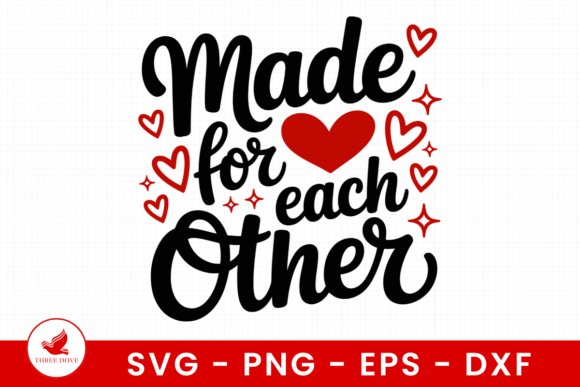
Opening Made for Each Other SVG feels like unrolling a hand-stitched sampler: soft curves, balanced spacing, and a gentle rhythm between text and heart motif. It’s not loud or overly ornate—no glittery hearts, no cursive fireworks. Instead, it leans into quiet sincerity. The phrase “Made for Each Other” flows horizontally with subtle letter spacing, and the central heart is clean-lined, neither too thin nor too bold. As an embroidery designer who’s stitched hundreds of love-themed pieces for baby onesies, boutique aprons, and wedding guest towels, I immediately saw its potential—not as filler, but as intentional design language.
Where It Shines in Real Embroidery Projects
I tested Made for Each Other SVG as the focal point on a natural linen tote bag—medium-weight, slightly textured, destined for a local bridal shop’s “bridesmaid gift set.” Stitched at 3.5" wide with a satin-stitched heart and clean fill-stitch lettering, it held up beautifully. No thread nesting, no fabric puckering—just crisp definition and warmth. That same design translated well to a lightweight cotton sweatshirt (using tear-away + cut-away stabilizer combo) and even a delicate muslin baby bib, where I reduced size to 2.25" and swapped dense fill for lighter running-stitch outlines.
It works especially well for:
- Personalized gifts where sentiment matters more than flash—think pillow covers for newlyweds, tea towels for anniversary kitchens, or embroidered patches sewn onto denim jackets
- Small business merchandise that balances charm and professionalism—Etsy sellers can pair it with neutral apparel and strong mockups without looking generic
- Holiday embroidery that avoids cliché—Valentine’s Day isn’t just red and lace; it’s quiet commitment, and this design reflects that
- Digital embroidery file collections aimed at crafters who value versatility over trend-chasing
Where Caution Is Needed — Not Every Fabric or Format Fits
Made for Each Other SVG isn’t built for micro-detail work. The heart’s inner curve and the fine serifs on “Each” won’t resolve cleanly below 2" on stretchy knits—or on fleece-backed caps with tight curvature. On dark fabric, the lightness of the original PNG suggests you’ll need thoughtful thread color choices: a warm burgundy satin stitch for the heart reads richer than black, and off-white or heather-gray thread keeps lettering legible without glare.
Watch for these real-world limits:
- Thin or loosely woven fabrics (like voile or rayon challis) may require extra stabilizer—especially under the heart’s base, where stitch density naturally increases
- Tiny hoop sizes (under 4") demand simplification—consider removing interior heart lines or converting text to outline-only if scaling down past 1.75"
- Layered garments (e.g., hoodies with thick pockets) benefit from repositioning the design higher on the chest to avoid distortion
- Curved surfaces like baseball caps need digitizing adjustments—this SVG file is a starting point, not a ready-to-stitch cap layout
How It Shapes Customer Trust and Product Value
When customers see Made for Each Other SVG stitched on a handmade product, they don’t just read “love”—they sense care in proportion, restraint in detail, and intention behind placement. That builds trust. A rushed, pixelated Valentine’s design screams “mass-produced clipart.” This one whispers “handmade with thought.” For Etsy sellers, that difference lifts perceived value—especially when paired with honest photography showing thread texture and fabric drape.
It also supports brand consistency. If your small shop specializes in minimalist nursery decor or modern wedding accessories, Made for Each Other SVG fits seamlessly alongside other clean-line embroidery files—no jarring style shifts, no mismatched energy. And because it avoids seasonal overload (no Cupid arrows, no candy hearts), it stays relevant beyond February. I’ve already repurposed it for a “best friends” tote by swapping “Each Other” to “This Duo”—proof of flexible design assets.
Practical Designer Notes Before You Stitch
Before cutting fabric or loading your machine:
- Test first—Always run Made for Each Other SVG on scrap fabric matching your final project’s weight and stretch
- Check contrast—View thread color options against both light and dark fabric swatches in natural light
- Review stitch density—If digitizing yourself, ensure fill areas aren’t overly dense for breathable fabrics like cotton poplin
- Confirm hoop compatibility—Measure your intended stitch area against your smallest hoop; adjust scale accordingly
- Inspect small details—Zoom in on the heart’s inner line and lowercase “o”s—they’re charming but fragile at tiny sizes
- Mock it digitally—Drop the PNG into a printable mockup at 300 DPI and view it at actual size on screen and printed
- Verify licensing—Since this is a digital embroidery file sold as a Graphics download, confirm whether commercial use (e.g., selling finished embroidered totes) is permitted before listing on Etsy or at craft fairs
Final Thought: A Design That Earns Its Place
Made for Each Other SVG doesn’t shout. It settles in—like a favorite sweater, like handwriting on a note tucked into a lunchbox. It’s not flashy T-Shirt Designs bait. It’s the kind of embroidery file that makes customers pause, smile, and say, “I want that on something I’ll keep.” For designers, small shop owners, and makers building meaningful handmade products, that quiet resonance is rare—and worth every stitch.