Cute 4th of July Animal Turtle SVG
First Impressions: A Laid-Back Patriotic Vibe That Actually Works
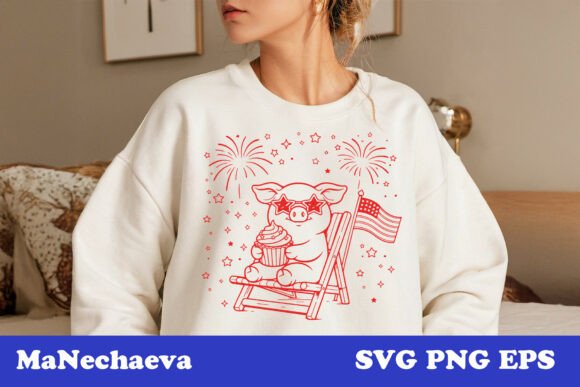
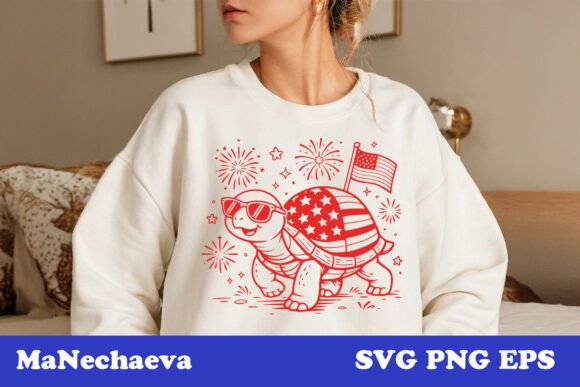
When I opened the Cute 4th of July Animal Turtle SVG, I smiled—not because it’s “cute” in a generic way, but because it lands the tone right. This isn’t a stiff eagle or a shouting firework. It’s a turtle, sunglasses on, relaxed and sun-warmed, with a shell that reads like a gentle nod to the American flag—stars and stripes rendered with just enough clarity to read, but not so literal that it feels like a textbook illustration. As a designer who tests dozens of holiday graphics each season, I appreciate how this balances whimsy and recognition. It feels handmade, not mass-produced—and that matters when you’re stitching for a boutique tote bag line or a small-batch baby onesie collection.
Where It Shines: Real Projects That Feel Thoughtful
I tested the Cute 4th of July Animal Turtle SVG as a machine embroidery design on a lightweight cotton canvas tote—intended for a local farmers’ market pop-up. Stitched at ~3.5" wide with medium-density fill and satin-stitched sunglasses and shell outlines, it held up beautifully. The curves of the turtle’s body flowed naturally across the fabric grain, and the stars on the shell didn’t bunch or distort. It also worked well scaled down to 2.25" on a toddler’s organic cotton tee—still legible, still charming. As a T-Shirt Designs asset, it avoids the trap of over-detail: no tiny flags, no micro-lettering, no nested layers that confuse home embroidery machines. That makes it reliable for Etsy sellers shipping personalized gifts or craft fair vendors embroidering on-site.
It’s especially strong for products where personality > patriotism: aprons for summer BBQ hosts, pillow covers for coastal nurseries, tea towels for indie kitchen shops, and even reversible patches for camp counselors. I wouldn’t use it for formal corporate merchandise—but that’s not its job. Its strength is in warmth, approachability, and quiet confidence.
Where to Pause—Not Problems, Just Practical Checks
This isn’t a one-size-fits-all embroidery file. On dark fabric, the white or light-blue thread in the stars needs careful contrast testing—especially if your customer chooses navy or charcoal sweatshirts. On stretchy knits (like lightweight jersey tees), I recommend a light cutaway stabilizer underneath and a topping like Sulky Solvy to keep the sunglasses’ satin stitch crisp. The shell’s stripe width sits comfortably at 1/8", but go smaller than that, and you risk fill stitch crowding—so avoid scaling below 2" unless you’ve re-digitized for density.
Curved surfaces like caps or baseball hats? Possible—but only with a hooping jig and moderate size (max 2.75"). The turtle’s rounded shape adapts better than angular designs, but the sunglasses’ thin arms need extra stabilization near the temple area. And while it’s fine for baby embroidery on onesies, skip the dense fill on ultra-thin bamboo blends—opt instead for a lighter fill stitch or switch part of the shell to running stitch for breathability.
What It Adds to Your Finished Product—Beyond the Stitch
A well-chosen graphic does more than decorate—it builds trust. When a customer sees this turtle on a handmade product, they register ease, intention, and seasonal joy—not forced hype. That translates directly to perceived value. Buyers browsing an Etsy shop full of rushed holiday designs will pause longer here. It signals care: in the curve of the smile, the balanced spacing of the stars, the way the sunglasses sit *just so* on the head—not floating, not squashed. That attention shows in the finished product, whether it’s a custom embroidered sweatshirt or a set of nursery pillow covers.
For craft businesses, it supports brand consistency without demanding rigid uniformity. You can pair it with neutral typography or soft watercolor backgrounds in mockups, and it won’t clash. As a Graphics asset, it’s versatile enough for printable mockups, digital product previews, and social media assets—especially when shown stitched on natural fibers and paired with linen or wood textures.
Designer Notes You’ll Actually Use
- Always test first—on scrap fabric matching your final project’s weight and stretch.
- Check thread color contrast on both light and dark fabric swatches before stitching a client order.
- Review stitch density visually—if the shell looks muddy or overly heavy, reduce fill density by 10–15%.
- Confirm hoop size compatibility; this design fits comfortably in a 4"x4" hoop at standard scale, but verify before hooping expensive garments.
- Inspect small details under magnification: the sunglass lenses, star points, and shell edge should be clean—not frayed or pixelated—in your embroidery software preview.
- Test black-and-white mockups to assess silhouette strength—this turtle holds up well, but always confirm.
- Use appropriate stabilizer: tear-away for stable wovens, cutaway for knits, and a light topping for high-sheen fabrics.
- Verify licensing terms before selling finished items or bundling the Cute 4th of July Animal Turtle SVG into digital embroidery kits—commercial use isn’t automatic.
Final Thought: A Design That Feels Like a Choice, Not a Compromise
In a sea of loud, busy, or overly literal holiday embroidery files, the Cute 4th of July Animal Turtle SVG stands out by being quietly intentional. It doesn’t shout “USA!”—it hums a summer tune. That makes it perfect for makers who sell experience, not just apparel: the mom who wants her toddler’s 4th outfit to feel joyful, not jarring; the café owner embroidering staff aprons that say “we love this town”; the Etsy seller building a cohesive seasonal collection rooted in authenticity, not algorithm bait. It’s not flashy—but it’s memorable. And in handmade product markets, that’s the kind of detail that turns a one-time buyer into a repeat customer.